Provider Resource Center
Checklists, referral guides and plain-language education for chiropractors, physical therapists, primary care physicians and their staff, all built on one principle: we test and report, you treat.
Who this is for: Written for chiropractors, physical therapists and primary care teams who want referral and testing resources in one place.
Key takeaways
- New to Braintree? Start with how it works and the provider partner program, then book a briefing.
- The referral guide and when-to-refer checklist standardize intake screening.
- Strong symptom documentation is the single biggest factor in a useful report.
- Keep the referral form, preparation checklist and red-flags page at the front desk.
- Patients with emergency symptoms go to the ER, never the next testing day.
Everything your practice needs in one place
This resource center collects Braintree's materials for chiropractors, physical therapists, primary care physicians and their staff. Use it to train new team members, standardize your intake and answer patient questions. Everything here reflects our diagnostics-only model: we test and report, and you treat.
Many of these articles started as questions from partner practices.
Getting started
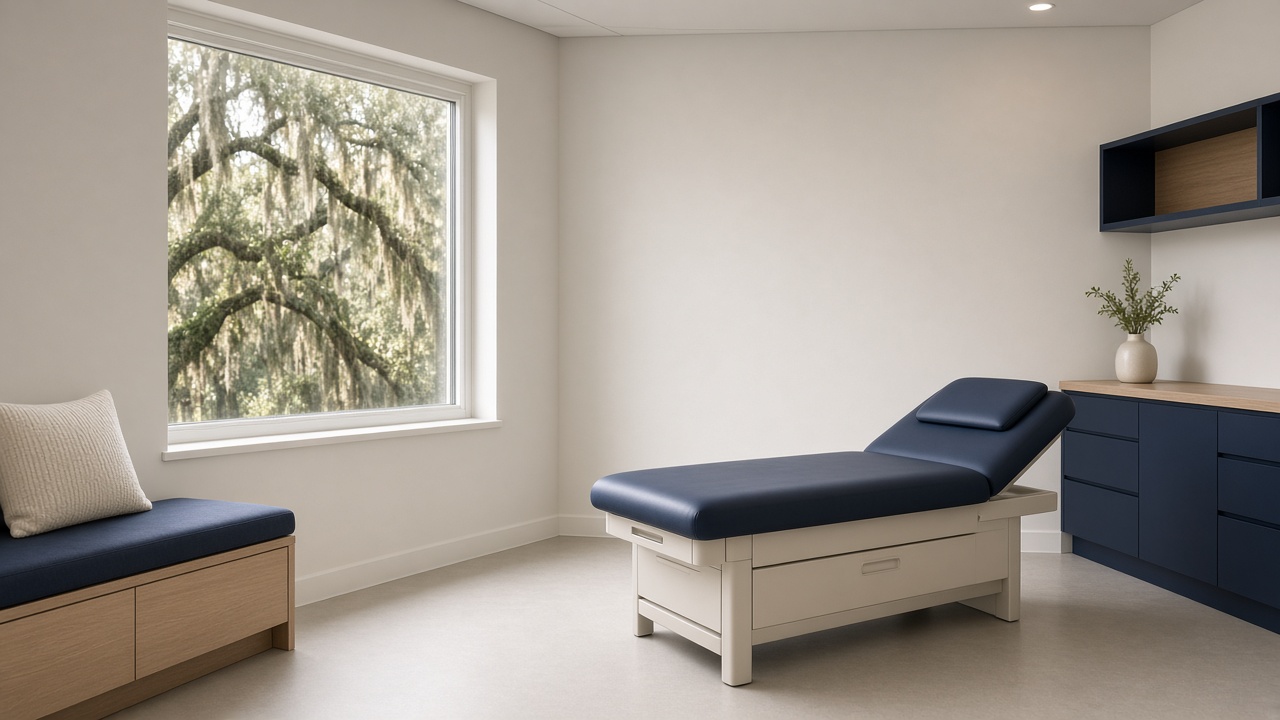
If you are new to Braintree, start with how it works and the provider partner program, then book a 15-minute briefing so we can tailor the process to your practice, locations and patient volume. Practices with several sites should also read the multi-location program page.
Screening and referral
The referral guide walks through the four-step process and what a complete referral includes. The when-to-refer checklist gives your team consistent screening questions for intake and re-exams. The referral paperwork article shows examples of strong symptom documentation, the single biggest factor in a useful report.
Related in this series: Referral Guide for Providers (PDF + Page), When to Refer for Concussion Testing: A Provider Checklist and TBI Testing for Physical Therapists. For the full overview, start with our guide, Provider Guide to TBI Testing.
Testing day and results
The scheduling article covers room requirements, patient flow and reminders, and how to keep your schedule running while our technician works. Share the preparation checklist with every referred patient a few days ahead. To understand results, read the sample report walkthrough and our articles on eye-movement, neurocognitive and brain-activity testing. The care coordination article explains how specialty referrals work once findings are in.
When a patient calls with worsening symptoms, the answer is emergency care, not the next testing day.
Clinical topics and patient materials

Articles on whiplash and concussion, delayed symptoms, dizziness, headaches, light sensitivity, sleep and mood changes help staff recognize patterns and talk with patients about them, and physical therapists have their own guide. Point patients to the patient resource center, the symptom checklist and the emergency red-flags page, which is worth printing for your waiting room.
Front-desk quick reference
Keep three things at the front desk: the referral form, the preparation checklist and the red-flags page. Staff can answer most testing-day questions from the checklist. When a patient calls describing new or worsening symptoms, staff should follow the red-flags page and direct them to emergency care.
New staff and feedback
New front-desk members and clinicians should read how it works, the referral guide and the scheduling article in their first week, and we are happy to join a short call. If a resource is unclear or missing, tell us. Many of these articles began as questions from partner practices. Call 813-709-3771.
Emergencies
A worsening headache, repeated vomiting, a seizure, weakness or confusion means the ER, not a scheduled test. Call 911.
Frequently asked questions
Where should new staff start?
With the referral guide and the front-desk quick reference.
Are there handouts for patients?
Yes. The patient preparation checklist and symptom checklist are written for patients.
We diagnose. You treat.
Mobile, physician-reviewed concussion and TBI diagnostics for Florida providers and their accident patients. Reports go to a neurologist ahead of the neuro evaluation; the referring provider then receives a copy for advanced imaging and treatment recommendations.
Book a 15-minute callRefer a patientOr call 813-709-3771
Sources
- CDC: Symptoms of mild TBI and concussion, including danger signs
- Seabury SA et al. Follow-up care after ED presentation for mild TBI and concussion: results from the TRACK-TBI study. JAMA Netw Open. 2018 (NIH PubMed)
- TRACK-TBI (Transforming Research and Clinical Knowledge in TBI), UCSF
This article is educational and is not medical or legal advice. If this is a medical emergency, call 911.