Testing Day Preparation Checklist
The tests measure how your brain is working on the day of your visit. A short night, a skipped breakfast or forgotten glasses can all blur the picture. A little preparation keeps it clear.
Who this is for: Written for patients preparing for testing tomorrow or this week, and for the family member helping them.
Key takeaways
- The night before: usual bedtime, no alcohol, bag packed.
- The morning of: normal meal, normal caffeine, usual medications unless your provider said otherwise.
- Clean, dry hair with no gel, oil, spray or leave-in conditioner.
- Bring glasses or contacts, a medication list, symptom notes and a photo ID.
- Not driving yet? Arrange a ride, and plan to arrive a few minutes early.
Why preparation matters
The tests measure how your brain is working on the day of your visit. Small things, like a short night's sleep, a skipped breakfast or forgotten glasses, can affect results and make them less accurate. A little preparation helps the results reflect how you are really doing, which helps your provider decide about your care.
A little preparation helps the results reflect how you are really doing.
The night before

Go to bed at your usual time and aim for your normal amount of sleep. Avoid alcohol. Lay out what you need to bring so you are not rushing in the morning. If you are sick, have a fever or feel a migraine coming on, call your provider's office. Rescheduling may be the better choice, and calling early lets another patient use the slot.
The morning of
Eat your usual breakfast or a normal meal. Have your normal amount of caffeine; do not suddenly skip it or double it. Take your regular medications unless your own provider has told you otherwise. Wash your hair and leave it clean and dry, without gel, oil, spray or leave-in conditioner, because the brain-activity sensors work best on clean hair. If you wear braids, extensions or a head covering, let the office know in advance.
Related in this series: Patients: What to Expect on Testing Day, Post-Accident Symptom Checklist (Printable) and FAQ for Patients. For the full overview, start with our guide, Concussion After a Crash.
What to bring and wear
Bring your glasses or contacts, especially for reading or screens, a list of current medications including over-the-counter medicines and supplements, notes on your symptoms since the accident (what they are, when they started, how often they happen), a photo ID and anything the office asked for. Water and a small snack are welcome. Wear comfortable clothes, and skip hats, headbands and large earrings that might get in the way of the sensors.
Forgot something? Don't worry. Tell the technician.
Getting there and during the visit
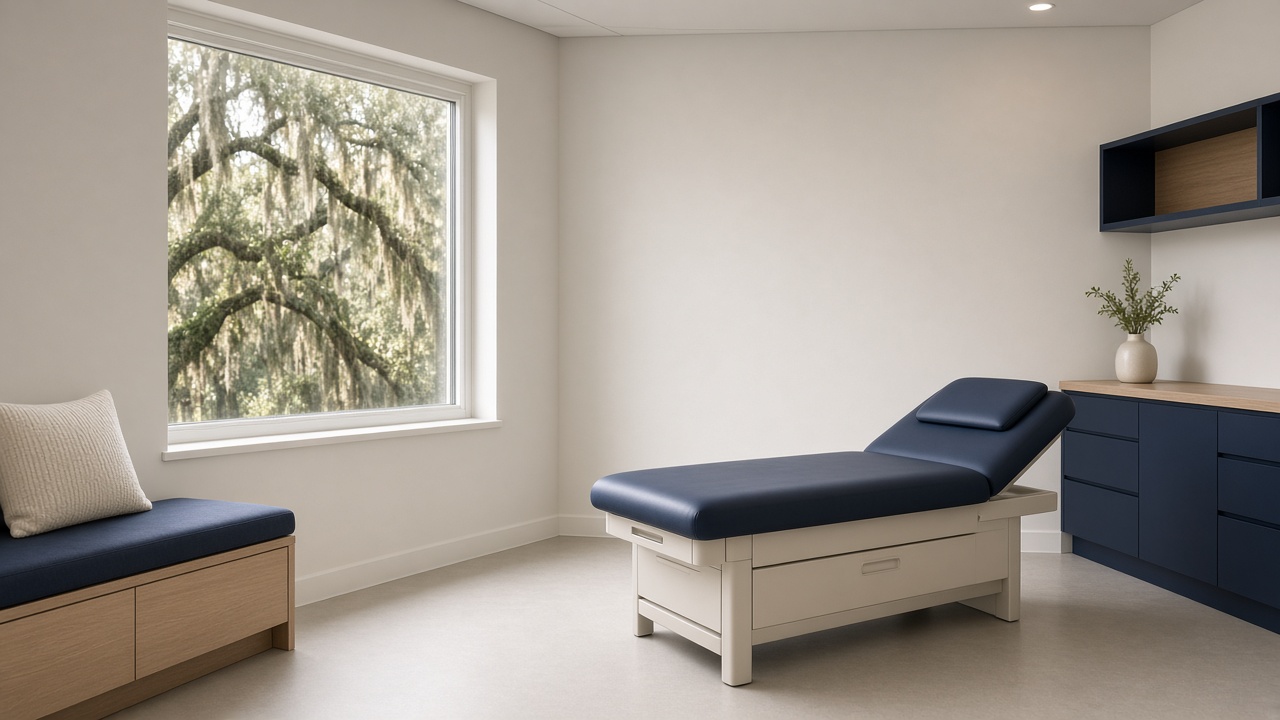
If you are not driving yet because of your symptoms, arrange a ride with a family member or friend, and arrive a few minutes early. During the visit, which typically takes 30 to 60 minutes, tell the technician how you feel that day, try your best on every task, answer honestly and ask for a break if symptoms flare. If you forgot something, tell the technician; they will work with you or note it for the physician.
Printable checklist
- Normal sleep and a normal meal
- Usual medications
- Clean, dry hair
- Glasses or contacts
- Medication list and symptom notes
- Photo ID
- Ride arranged
Emergency signs
Checklists can wait; emergencies can't. A seizure, slurred speech, weakness, confusion, repeated vomiting or a severe headache that is getting worse means calling 911 or heading to the ER today.
Frequently asked questions
Can I drink coffee before testing?
Keep to your usual routine and tell the technician what you had.
Should I stop my medications?
No, unless your provider tells you to. Bring a list.
We diagnose. You treat.
Mobile, physician-reviewed concussion and TBI diagnostics for Florida providers and their accident patients. Reports go to a neurologist ahead of the neuro evaluation; the referring provider then receives a copy for advanced imaging and treatment recommendations.
Book a 15-minute callRefer a patientOr call 813-709-3771
Sources
- CDC: Symptoms of mild TBI and concussion, including danger signs
- TRACK-TBI (Transforming Research and Clinical Knowledge in TBI), UCSF
- MedlinePlus (NIH National Library of Medicine): Concussion
This article is educational and is not medical or legal advice. If this is a medical emergency, call 911.