Patients: What to Expect on Testing Day
Your provider has referred you for testing. It happens in an office you already know, nothing about it is invasive and there is nothing to study. Here is how the day goes.
Who this is for: Written for patients whose provider has referred them for testing and who want to know what the visit is like.
Key takeaways
- Sleep as usual, eat normally, take your usual medications unless told otherwise and arrive with clean, dry hair.
- Bring glasses or contacts, a medication list and notes about your symptoms.
- Tell the technician if you feel unwell or slept badly. Sometimes rescheduling is better.
- There is no pass or fail. Just do your best and answer honestly.
- A neurologist interprets your results, and your provider then gets a copy to go over with you.
Before your appointment
Your treating provider's office will give you the date and time, and testing happens at their office, a place you already know. The night before, get your usual amount of sleep. On the day, eat a normal meal, take your regular medications unless your provider tells you otherwise and arrive with clean, dry hair, without heavy products. Bring your glasses or contacts, a list of your medications and any notes about symptoms since the accident.
Accurate results help your provider help you.
When you arrive

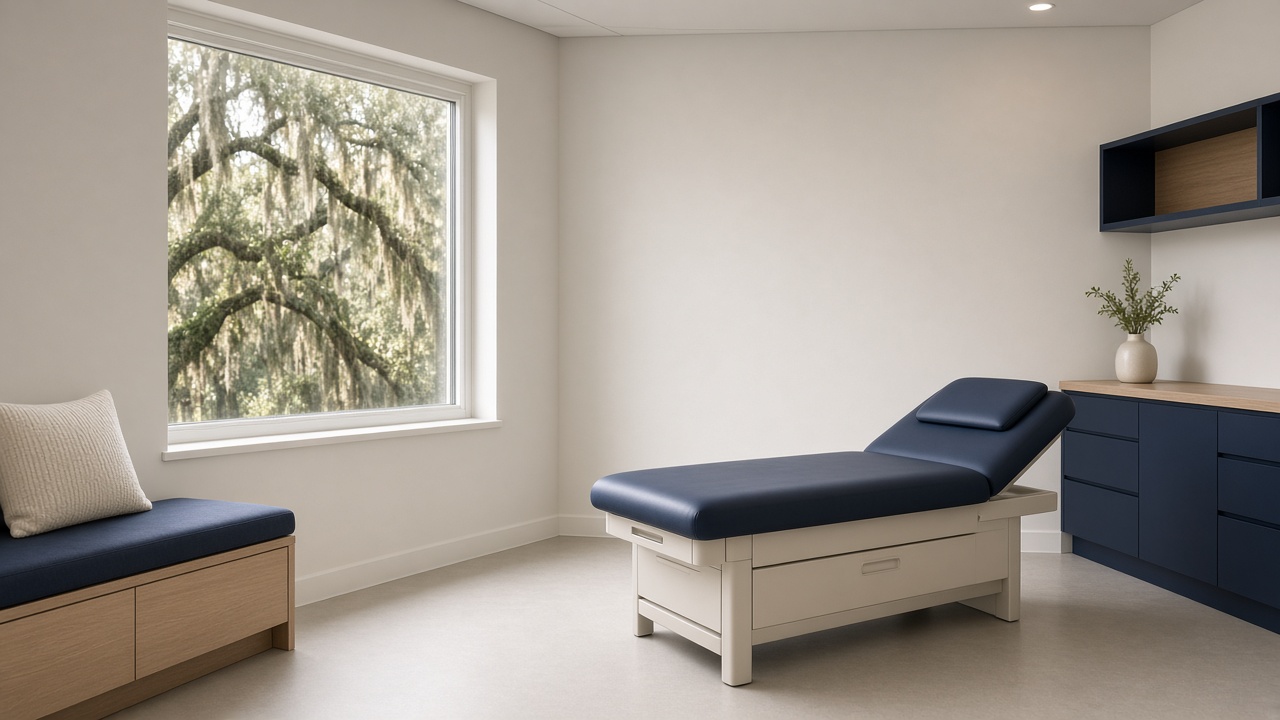
Check in at the front desk as usual. A Braintree technician will greet you, explain what will happen and answer your questions in a quiet room with a chair and a table. If you are feeling unwell, did not sleep or have a bad headache, say so. It is important information, and sometimes rescheduling is better. The visit typically takes 30 to 60 minutes.
During the tests
You may follow a moving target with your eyes while a system records your eye movements, do short computer exercises that measure attention, memory and reaction time, sit quietly while scalp sensors record brain activity and answer questions about your symptoms. Nothing involves needles, injections or radiation. If a task makes your symptoms flare, say so and take a break.
Related in this series: Testing Day Preparation Checklist, FAQ for Patients and Patient & Family Resource Center. For the full overview, start with our guide, Concussion After a Crash.
How to do your best
Try your best and answer honestly. There is nothing to study; the tests measure how you are doing right now. Do not try to look better or worse than you feel. Accurate results help your provider help you.
There is no pass or fail. The results describe how you are functioning so your provider can help.
After the tests
You can usually return to your normal day. You will not get results on the spot. A neurologist interprets them first, and your treating provider then receives a copy, typically within 48 hours, or typically 7–10 days if labs are involved. Your provider will go over it with you and talk about next steps.
Common worries
- What if I do badly? There is no pass or fail. The results describe how you are functioning.
- Will it make my symptoms worse? Some tasks can be tiring. Breaks are available, and most people feel fine afterward.
- Who will see my results? Your report becomes part of your medical record, which privacy rules protect.
- Can I bring someone? Yes. They may be asked to wait outside during some tasks so you are not distracted.
If something feels wrong
If at any point before or during the visit you notice new confusion, weakness, slurred speech, a seizure, repeated vomiting or a headache that is severe or worsening, stop and call 911 or go to the ER.
Frequently asked questions
Is any part of testing painful?
No. Nothing is invasive.
How long will I be there?
Typically 30 to 60 minutes.
We diagnose. You treat.
Mobile, physician-reviewed concussion and TBI diagnostics for Florida providers and their accident patients. Reports go to a neurologist ahead of the neuro evaluation; the referring provider then receives a copy for advanced imaging and treatment recommendations.
Book a 15-minute callRefer a patientOr call 813-709-3771
Sources
- CDC: Symptoms of mild TBI and concussion, including danger signs
- TRACK-TBI (Transforming Research and Clinical Knowledge in TBI), UCSF
- MedlinePlus (NIH National Library of Medicine): Concussion
This article is educational and is not medical or legal advice. If this is a medical emergency, call 911.