Post-Accident Head Injury Evaluation
After a crash, care follows the most visible injuries. Cognitive, visual, balance and mood symptoms may be noted once and then forgotten. A structured evaluation makes sure they are measured, not just mentioned.
Who this is for: Written for providers and attorneys considering a structured post-accident evaluation for patients with lingering symptoms.
Key takeaways
- For patients with ongoing symptoms after a crash, fall or other blow or jolt to the head.
- Arranged through the treating provider, after emergency concerns have been ruled out.
- Combines eye-movement testing, neurocognitive tasks, symptom questionnaires and, as one adjunct part, brain-activity recording.
- Done at the provider's office, typically in 30 to 60 minutes.
- A normal CT does not settle the question. CT and functional testing answer different questions.
Why a structured post-accident evaluation helps
After a crash, care tends to focus on the most visible injuries. Neck and back pain, fractures and cuts get treated, while cognitive, visual, balance and mood symptoms may be noted once and then forgotten. A structured evaluation of brain function makes sure those quieter symptoms are measured, not just mentioned, and gives the treating provider standardized information, especially when symptoms continue weeks after the accident.
Together, the assessments give the reviewing physician a broader view than any single test.
Who it's for
The evaluation is for patients who have been in motor vehicle crashes, falls or other incidents involving a blow or jolt to the head and who have ongoing symptoms: headache, dizziness, light or noise sensitivity, trouble concentrating, memory lapses, mood changes or sleep problems. It is arranged through the patient's treating provider after emergency concerns have been ruled out, whenever that provider judges it clinically appropriate.
What the evaluation covers
Braintree's evaluation brings together eye-movement testing, computer-based neurocognitive tasks, standardized symptom questionnaires and brain-activity recording, which serves as one adjunct part of a physician-interpreted evaluation. Each looks at a different aspect of function. Together they give the reviewing physician a broader view than any single test, and the specific tests are chosen to fit the referral.
Related in this series: When to Refer for Concussion Testing: A Provider Checklist, Sample Report Walkthrough (Synthetic Example) and We Diagnose, You Treat: How a Diagnostics-Only Partner Works. For the full overview, start with our guide, Concussion After a Crash.
Where it happens
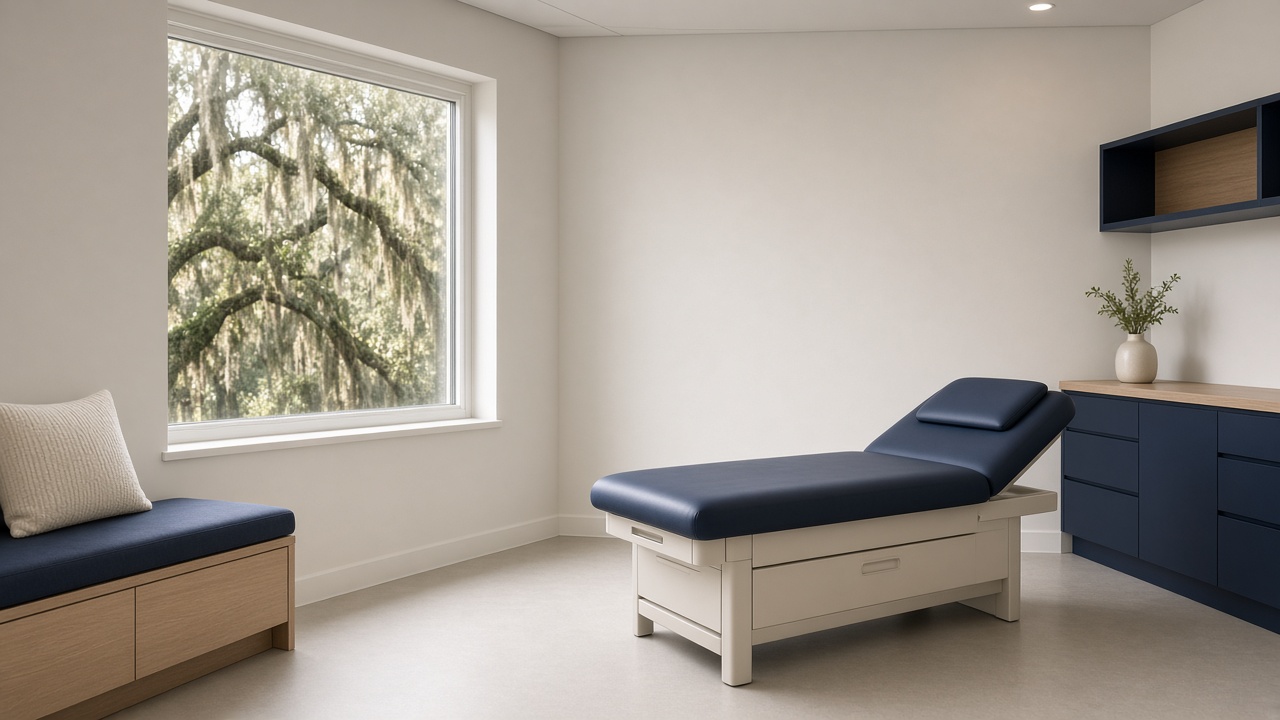
Testing takes place at the treating provider's office in the areas we serve, so patients do not need an extra trip to an unfamiliar facility. That matters for people who are not driving yet, are in pain or find travel tiring. A visit typically takes 30 to 60 minutes.
Quieter symptoms deserve to be measured, not just mentioned.
What happens after

A neurologist interprets all results, and the treating provider receives a copy of the report, typically within 48 hours, or typically 7–10 days with labs. The provider uses that copy to discuss the findings with the patient and decides on next steps, which may include specialty evaluation that Braintree can help coordinate.
What it isn't
It is not emergency care, it is not treatment and it does not produce legal opinions. It is a clinical evaluation that supports the treating provider's decisions. Attorneys with symptomatic clients should make sure the client is under a treating provider's care; that provider decides whether evaluation is appropriate.
Red flags first
Before any scheduled evaluation, anyone with a worsening headache, repeated vomiting, a seizure, weakness, slurred speech or increasing confusion should go to the ER or call 911.
Frequently asked questions
Does a normal CT mean I don't need it?
Not necessarily. CT and functional testing answer different questions.
Can family come?
Usually yes. They can help describe changes since the accident.
What should I bring?
Glasses, a medication list and any notes about your symptoms.
We diagnose. You treat.
Mobile, physician-reviewed concussion and TBI diagnostics for Florida providers and their accident patients. Reports go to a neurologist ahead of the neuro evaluation; the referring provider then receives a copy for advanced imaging and treatment recommendations.
Book a 15-minute callRefer a patientOr call 813-709-3771
Sources
- CDC: Symptoms of mild TBI and concussion, including danger signs
- TRACK-TBI (Transforming Research and Clinical Knowledge in TBI), UCSF
- MedlinePlus (NIH National Library of Medicine): Concussion
This article is educational and is not medical or legal advice. If this is a medical emergency, call 911.