
Back on the Water After a Concussion: A Treasure Coast Family Guide
For many Treasure Coast families, life happens on the Indian River Lagoon and the beach. How to ease back into boating, fishing and beach days after a car-crash concussion.
On the Treasure Coast, a good weekend often means the water. A morning fishing the Indian River Lagoon, an afternoon near the Jensen Beach Causeway, a boat ride out toward the St. Lucie Inlet or the beach on Hutchinson Island.
After a car crash and a concussion, those plans can suddenly feel far away. Maybe your husband is asking when he can take the boat out again. Maybe your teenager wants to go surfing with friends this weekend. This guide is for those questions. It is general information, and your provider has the final word on your own recovery.
Key takeaways
- Dizziness, light sensitivity and tiredness are common concussion symptoms (CDC), and time on the water can make them easier to notice.
- The CDC suggests a few days of rest, then a gradual return to activities as symptoms allow.
- Start on land, then try short, calm rides as a passenger before anything faster.
- Hold off on surfing, wakeboarding, tubing and jet skis until a provider says it is okay.
Why the water can feel different for a while
A concussion is a brain injury, even when it is called "mild." The CDC lists symptoms such as headaches, dizziness or balance problems, being bothered by light, feeling tired, and trouble concentrating.
Each of those can show up on the water. A rocking boat asks a lot of your balance. Bright sun on the lagoon can be hard on eyes that are sensitive to light. A long, hot day can wear out someone who is already tired from healing. None of this means something is wrong. It means the body is still recovering.
The first few days
The CDC's general guidance is a few days of rest after a concussion, then a gradual return to normal activities as symptoms allow. Rest does not mean a dark room for weeks. It means a slower pace: short walks, quiet time, and limits on screens and busy places.
This is a good time to stay close to home and let the boat wait. Sitting in the shade at a quiet park, or watching the water from the shore, can feel good without asking too much.
Easing back in
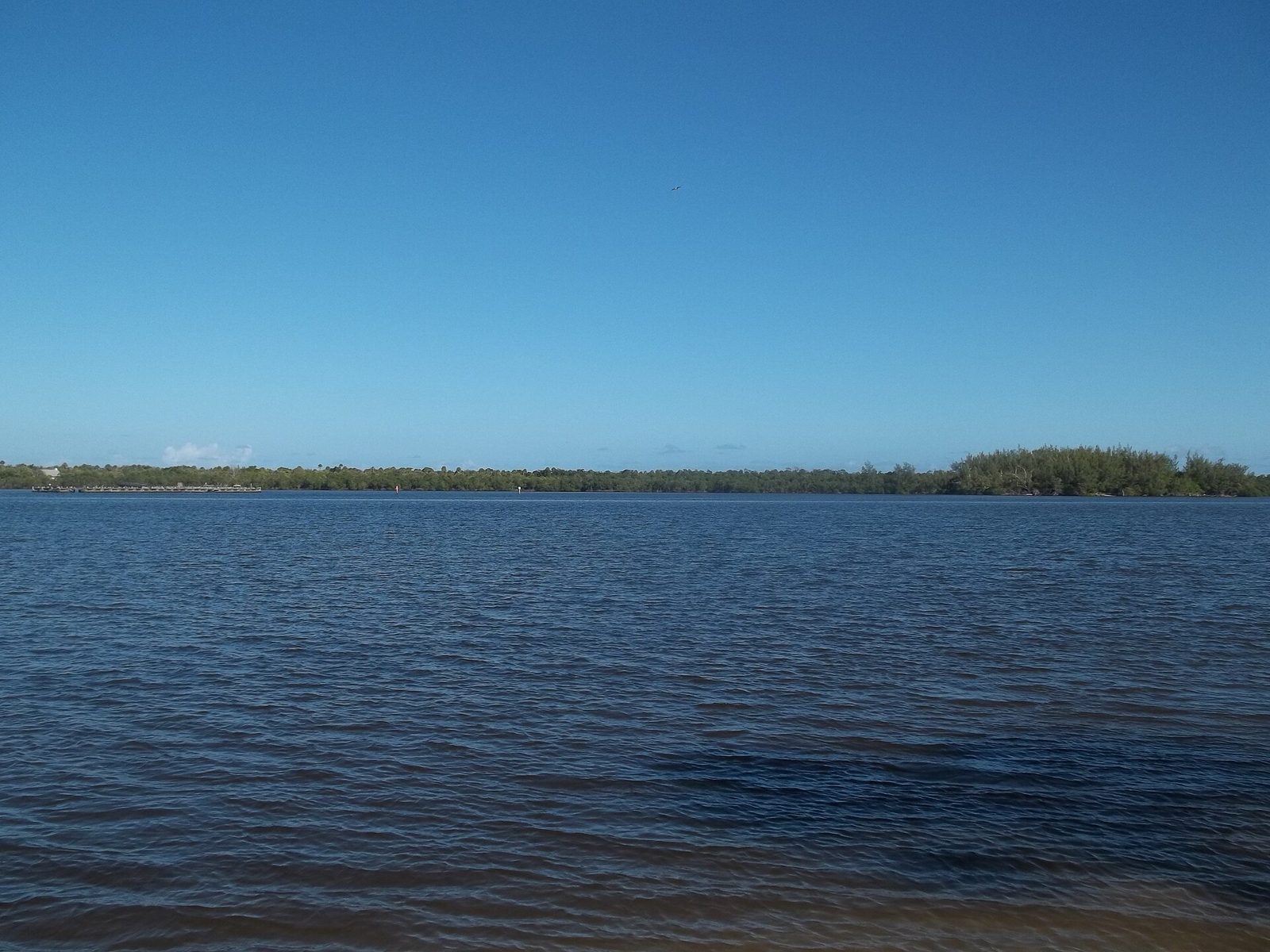
When symptoms are settling and your provider agrees, many families find it helps to build up in small steps:
- Start on land. Try a short, shaded visit to the beach or a calm spot on the lagoon at a cooler time of day.
- Then try a short, calm boat ride as a passenger, close to shore, on a day with light wind.
- Bring water, a hat and sunglasses, and plan an easy way to head back early.
- Let someone else drive the boat until the person who was hurt has been told by their provider that they are ready to drive again.
- Pay attention to how they feel that evening and the next day. If headaches, dizziness or tiredness flare, take a step back for a day or two.
The water will still be there. A slower start now can make the return feel a lot better.
Activities to hold off on
The CDC advises avoiding activities that could lead to another injury to the head until a healthcare provider says it is okay. On the Treasure Coast that can include surfing, wakeboarding, tubing, jet skis and fast rides in choppy water off the inlets. A second bump to the head while the brain is still healing is something to avoid.
If you are not sure where an activity falls, ask the provider directly: "Is it okay for him to go fishing on a calm day? What about skiing behind the boat?" Writing the answers down helps everyone remember them.
When recovery is slower
Most people feel better over days to weeks. Some take longer. In a large study of patients seen at Level I trauma centers, about half of people with mild TBI still reported some limitation in daily life a year later (Nelson et al., 2019). If your loved one is still struggling weeks after the crash, that is a reason to go back to their provider, not a reason to push harder.
Where testing fits
If your loved one's provider decides concussion testing makes sense, Braintree's mobile team can test them at that provider's office in Port St. Lucie, Fort Pierce, Stuart, Jensen Beach, Palm City, Vero Beach, Sebastian or nearby communities. Scheduling is coordinated with the provider, and the results become physician-reviewed diagnostic reports for their care.
Read more on our For Patients page, learn about concussion and TBI testing, or see mobile testing in Port St. Lucie and the Treasure Coast. Recent local crashes appear on the Port St. Lucie and Treasure Coast Crash Map.
Frequently asked questions
When can I go boating after a concussion?
There is no single date. The CDC recommends a few days of rest, then a gradual return to activities as symptoms allow. Ask your provider, and start with short, calm rides as a passenger.
Is it safe to go to the beach after a concussion?
A short, shaded beach visit at a cooler time of day is often a gentle first step once symptoms are settling. Check with your provider, and avoid surfing or rough water until you are cleared.
Why does being on a boat make concussion symptoms worse?
Concussion can affect balance and make light harder to tolerate. A rocking boat and bright sun on the water can make those symptoms more noticeable while the brain heals.
Which water activities should wait after a concussion?
Anything that could cause another bump to the head, such as surfing, wakeboarding, tubing, jet skis or fast rides in choppy water, should wait until a provider says it is okay.
Can my family member get concussion testing near Port St. Lucie, Stuart or Vero Beach?
If their provider decides testing makes sense, Braintree's mobile team can test them at that provider's office. Scheduling is coordinated with the provider.
Sources
- CDC: Symptoms of mild TBI and concussion (including danger signs)
- CDC: What to do after a mild TBI or concussion
- CDC: About mild TBI and concussion
- Nelson LD et al. Recovery after mild traumatic brain injury in patients presenting to US Level I trauma centers: a TRACK-TBI study. JAMA Neurol. 2019;76(9):1049-1059
- NIH, National Institute of Neurological Disorders and Stroke: Traumatic brain injury
- Florida Department of Health: Florida trauma centers (updated July 23, 2026)
- HCA Florida Lawnwood Hospital, Fort Pierce (Level II Trauma Center)
- HCA Florida St. Lucie Hospital, Port St. Lucie: Emergency care
- Cleveland Clinic Tradition Hospital, Port St. Lucie
- Cleveland Clinic Martin North Hospital, Stuart
- Cleveland Clinic Martin South Hospital, Stuart
- Cleveland Clinic Indian River Hospital, Vero Beach: Emergency care
Photo credits: Indian River looking south from the SR-732 bridge, Jensen Beach, by Dough4872, CC BY-SA 4.0, via Wikimedia Commons. St. Lucie Inlet Preserve State Park by Ebyabe, CC BY-SA 4.0, via Wikimedia Commons.
This article is educational and is not medical or legal advice. If this is a medical emergency, call 911.