
Concussion or Stress? Sorting Out Symptoms in Southwest Florida Crash Patients
After a crash, concussion and stress symptoms overlap. What Fort Myers, Cape Coral and Naples providers can ask, and why it often is not one or the other.
A patient comes in two weeks after being rear-ended at a light on Pine Island Road in Cape Coral. His neck is the reason for the visit. Then he mentions that he is short with his kids, can't sleep, and loses his train of thought at work. He also says he has not felt like himself since the storms, and the family is still finishing repairs.
Is this a concussion, stress, or both? In Southwest Florida, providers face that question often. This guide covers why the two overlap and what a careful first visit can capture.
Key takeaways
- The CDC lists mood and sleep changes among the four main groups of concussion symptoms.
- In TRACK-TBI, 20.0% of mild TBI patients screened positive for likely PTSD and/or depression at 3 months, vs 8.7% of orthopedic patients.
- Prior stress does not rule out a concussion, and a concussion does not rule out stress.
- A dated history of which symptoms are new since the crash makes later changes easier to see.
Why this comes up so often here
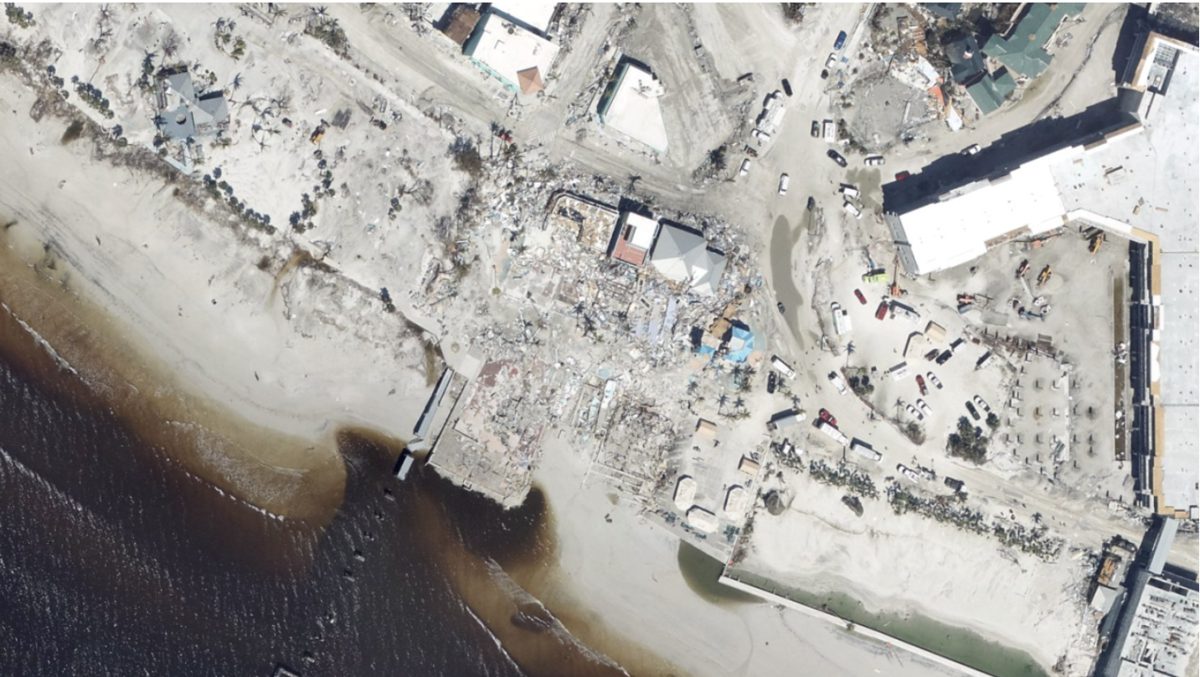
Hurricane Ian made landfall on Cayo Costa as a Category 4 storm in September 2022, according to the National Hurricane Center. The 2024 hurricane season brought more flooding and more rebuilding. Many patients have spent years dealing with insurance claims, contractors and temporary housing.
Then there is the driving. Florida's 2024 Traffic Crash Facts report counts 14,737 crashes and 9,035 injuries in Lee County, 6,260 crashes and 3,609 injuries in Collier County, and 2,862 crashes and 1,628 injuries in Charlotte County. Construction zones, detours and seasonal traffic on I-75, US-41 and the Cape Coral bridges add to the load.
A patient carrying that much stress before a crash may not be able to tell which symptoms are new.
The overlap is real
The CDC lists mood and sleep among the four main groups of concussion symptoms, alongside physical and thinking symptoms. Irritability, anxiety, sadness, trouble sleeping and feeling foggy can all follow a concussion. They can also follow a frightening crash, a hard year or both.
The CDC also notes that anxiety and depression may make it harder to adjust to concussion symptoms, and that lasting symptoms appear more common in people with prior depression or anxiety.
What the research shows
The TRACK-TBI study followed adults seen at U.S. Level I trauma centers. At three months, 20.0% of patients with mild TBI screened positive for likely PTSD, major depression or both, compared with 8.7% of patients with orthopedic injuries only (Stein et al., JAMA Psychiatry, 2019). A prior mental health history was one of the risk factors.
The takeaway for a busy practice is simple. New mood symptoms after a crash do not rule out a concussion, and a concussion does not rule out stress. The two often travel together.
New mood symptoms after a crash do not rule out a concussion. The two often travel together.
Questions worth asking at the first visit
A short, structured history makes later changes easier to see:
- Did the head strike anything, or was it a sudden jolt? Any gap in memory around the crash?
- Which symptoms started after the crash, and which were there before?
- Is the patient having headaches, dizziness, light or noise sensitivity, or trouble focusing, along with mood changes?
- How are sleep, work and driving compared with a month before the crash?
- What does a spouse or family member notice?
Write the answers down with dates. Comparing them at the next visit helps show whether things are improving, staying the same or getting worse. Refer to mental health care when it is needed. It can run alongside concussion care.
When testing adds value
Testing does not replace your exam. When you decide it makes sense, Braintree's mobile team performs concussion and TBI testing at your own office in Fort Myers, Cape Coral, Naples, Bonita Springs, Estero, Lehigh Acres, Port Charlotte and nearby communities. Your patient does not have to cross a bridge or drive I-75 for another appointment. Scheduling is coordinated with your office.
Results are delivered as physician-reviewed diagnostic reports, and you keep the clinical decisions. See how concussion and TBI testing works, learn about mobile testing in Southwest Florida, or send a referral. Patients and families can read our For Patients page, and recent local crashes appear on the Southwest Florida Crash Map.
Frequently asked questions
Can concussion cause anxiety or irritability?
Yes. The CDC lists mood changes such as irritability, anxiety and sadness among common concussion symptoms.
How common are depression and PTSD after a mild TBI?
In the TRACK-TBI study, 20.0% of adults with mild TBI screened positive for likely PTSD, major depression or both at three months, compared with 8.7% of orthopedic-injury patients.
If a patient was already stressed before the crash, can symptoms still be a concussion?
Yes. Prior stress does not rule out a concussion. The CDC notes that prior anxiety or depression may make recovery harder.
Can Braintree test patients at my Fort Myers or Cape Coral office?
Yes. The mobile team tests at the referring provider's office across Fort Myers, Cape Coral, Naples, Bonita Springs, Estero, Lehigh Acres, Port Charlotte and nearby areas.
Who makes the clinical decisions?
You do. Braintree provides physician-reviewed diagnostic reports to the referring provider, who keeps all diagnosis and treatment decisions.
Sources
- NOAA National Hurricane Center: Tropical Cyclone Report, Hurricane Ian (2022)
- FLHSMV: Florida Traffic Crash Facts Annual Report 2024
- CDC: Symptoms of mild TBI and concussion (including danger signs)
- CDC: What to do after a mild TBI or concussion
- Stein MB et al. Risk of posttraumatic stress disorder and major depression in civilian patients after mild traumatic brain injury: a TRACK-TBI study. JAMA Psychiatry. 2019;76(3):249-258
- NIH, National Institute of Neurological Disorders and Stroke: Traumatic brain injury
Photo credits: Doctor talking with a patient, National Cancer Institute (public domain), via Wikimedia Commons. Fort Myers Beach after Hurricane Ian, NOAA (public domain), via Wikimedia Commons.
This article is educational and is not medical or legal advice. If this is a medical emergency, call 911.