
Prior Injuries and a New Concussion: What Sarasota and Bradenton PI Teams Should Know
How a client's earlier injuries, headaches or concussions tend to complicate the concussion record after a Sarasota or Bradenton crash, and what clearer documentation looks like.
Consider a hypothetical client. She is 52, lives in Lakewood Ranch, and has had migraines for years. A decade ago she had a concussion from a fall. One weekday afternoon she is rear-ended in stop-and-go traffic on I-75 near University Parkway.
Two months later her headaches are more frequent, she loses her place in conversations, and bright screens bother her at work. The first thing the other side points to is her history.
Key takeaways
- Sarasota and Manatee counties recorded more than 13,000 crashes and 8,800 injuries in 2024 (FLHSMV).
- Prior history does not rule out a new concussion. It makes a clear before-and-after record more important.
- Early symptom severity is the most consistent predictor of slower recovery (Iverson et al., 2017).
- Florida civil jury instruction 501.5a addresses aggravation of an existing condition. How it applies is a question for counsel.
Prior injuries are common in Sarasota and Manatee crash files. This article looks at how that history tends to show up in the medical record and why clear, dated documentation matters. It is educational only and is not legal advice.
Why prior history comes up so often here
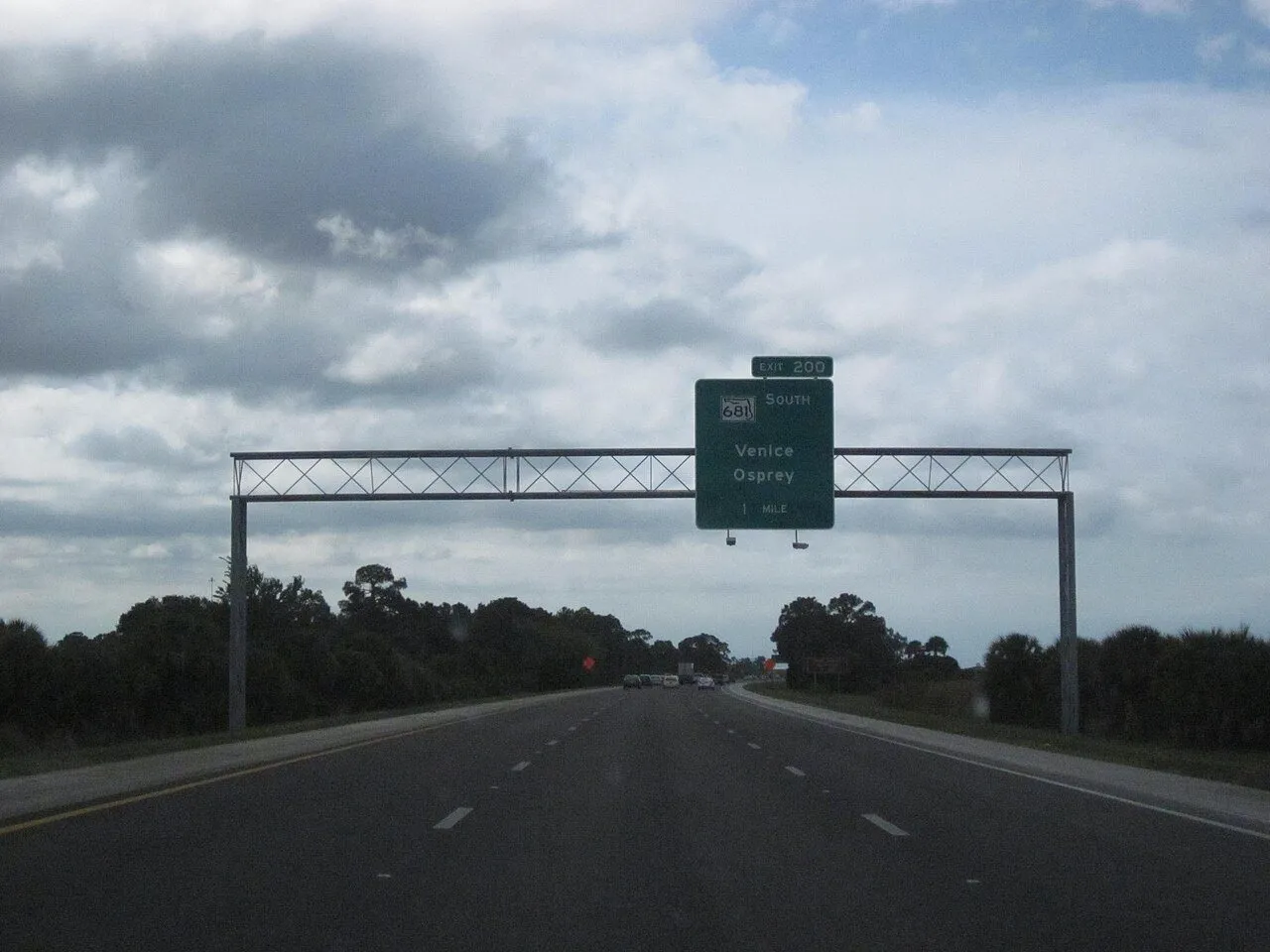
Florida's 2024 Traffic Crash Facts report counts 6,952 crashes and 4,255 injuries in Sarasota County and 6,469 crashes and 4,547 injuries in Manatee County. That is more than 13,000 crashes and 8,800 injured people in one year across the two counties.
Many of those drivers carry something into the crash already: an old neck injury, a past sports concussion, migraines, or anxiety. Heavy commuting on I-75, US-41 (Tamiami Trail) and US-301, plus winter traffic from seasonal residents, means a lot of people have been in more than one crash.
A history like that does not mean a new concussion did not happen. It does mean the record has to show what changed.
What the research says about history and recovery
A 2017 systematic review in the British Journal of Sports Medicine looked at 101 studies on recovery from concussion. The most consistent predictor of slower recovery was how severe a person's early symptoms were. People with a history of mental health problems before the injury appeared to be at greater risk of lasting symptoms (Iverson et al., 2017).
Recovery is not always quick for adults either. In the TRACK-TBI study of patients seen at U.S. Level I trauma centers, 53% of people with mild TBI still reported some functional limitation 12 months later (Nelson et al., JAMA Neurology, 2019).
In other words, earlier problems may shape recovery. That is a reason to describe them carefully, not a reason to overlook a new injury.
A history of headaches does not mean a new concussion did not happen. It means the record has to show what changed.
How Florida's jury instructions frame it
Florida's standard civil jury instruction 501.5a covers aggravation of an existing condition or activation of a latent one. In general terms, it asks jurors to try to decide what part of a person's condition came from the aggravation. If they cannot separate it, the instruction directs damages for the entire condition.
How that applies in any case is a question for counsel. From a medical-record point of view, the instruction points to one practical need: a clear before-and-after picture.
Record patterns worth noticing
When Sarasota and Manatee concussion files with prior history are read closely, a few patterns come up often:
- Old records that say "headaches" without describing how often they happened or how they felt.
- Post-crash notes that list "history of migraines" but never say whether the headaches changed.
- New symptoms, such as light sensitivity, memory lapses or irritability, mixed in with old ones.
- A gap of weeks between the crash and the first visit that asks about thinking or mood.
- No standardized measure of brain function dated after the crash.
Florida's PIP statute, section 627.736, also ties medical benefits to initial care within 14 days after a crash. Prompt care protects the person's health first, and a clearer record follows from it.
Where testing fits
Testing decisions belong to the client's treating provider, such as a primary care physician, chiropractor, orthopedist or pain physician. When that provider decides testing makes sense, Braintree's mobile team performs concussion and TBI testing at the provider's own office in Sarasota, Bradenton, Venice, Lakewood Ranch, North Port, Palmetto, Parrish, Ellenton and nearby communities. Scheduling is coordinated with the referring provider.
Results become physician-reviewed diagnostic reports that go to the treating provider, who reaches their own clinical findings. A standardized, dated measure does not erase prior history. It gives everyone a reference point for what the person looks like after this crash. Braintree makes no promise about the outcome of any case. Learn more about concussion and TBI testing in Florida and mobile testing in Sarasota, Bradenton and Venice.
Court context
DeSoto, Manatee and Sarasota counties make up Florida's Twelfth Judicial Circuit. The adjusters, mediators and jurors who read these files are usually not clinicians. Notes that separate old symptoms from new ones, with dates, are easier to follow than a list of diagnoses.
Recent local crash reports appear on the Sarasota, Bradenton and Venice Crash Map. Clients and families can read our For Patients page.
Frequently asked questions
Can someone with a past concussion or migraines have a new concussion from a crash?
Yes. Prior history does not rule out a new injury. It makes it more important for the record to show which symptoms are new or changed since the crash.
Does prior history affect concussion recovery?
Research suggests it can. A 2017 systematic review found early symptom severity was the most consistent predictor of slower recovery, and a history of mental health problems before the injury was linked to a greater risk of lasting symptoms.
What does Florida jury instruction 501.5a cover?
It addresses aggravation of an existing condition or activation of a latent one. How it applies to a specific case is a question for counsel.
Which counties are in Florida's Twelfth Judicial Circuit?
DeSoto, Manatee and Sarasota counties.
Does Braintree give legal opinions?
No. Braintree provides mobile diagnostic testing for treating providers. It does not give legal advice and makes no promise about the outcome of any case.
Sources
- FLHSMV: Florida Traffic Crash Facts Annual Report 2024
- Iverson GL et al. Predictors of clinical recovery from concussion: a systematic review. Br J Sports Med. 2017;51(12):941-948
- Nelson LD et al. Recovery after mild traumatic brain injury in patients presenting to US Level I trauma centers: a TRACK-TBI study. JAMA Neurol. 2019;76(9):1049-1059
- Florida Supreme Court: Standard Jury Instructions, Civil Cases (see 501.5a)
- The Florida Bar News: text of civil instruction 501.5a, aggravation or activation of disease or defect
- CDC: About mild TBI and concussion
- CDC: Symptoms of mild TBI and concussion (including danger signs)
- Florida Statutes s. 627.736 (2026): Required personal injury protection benefits
- Florida Statutes s. 26.021 (2026): Judicial circuits
Photo credits: Sarasota County Courthouse by Ebyabe, CC BY-SA 3.0, via Wikimedia Commons. Interstate 75 in Sarasota County by Dougtone, CC BY-SA 2.0, via Wikimedia Commons.
This article is educational and is not medical or legal advice. If this is a medical emergency, call 911.