
Can't Sleep Since the Crash? Concussion and Sleep in Southwest Florida
Sleep changes are one of the most common signs of a concussion. What families in Cape Coral, Fort Myers and Naples should watch for and what can help.
Since the accident, nights feel different. Maybe you lie awake at 2 a.m. replaying the moment on the Midpoint Bridge. Maybe you sleep ten hours and still wake up tired. Or maybe it is your husband, your mother or your teenager who has not been sleeping right since a crash on Daniels Parkway or I-75.
Poor sleep is easy to blame on pain or stress. Sometimes it is a sign of a concussion. This guide explains the connection and what you can do.
Key takeaways
- Sleeping more, sleeping less and trouble falling asleep are all common concussion symptoms (CDC).
- About half of people have some sleep disturbance after a brain injury (Mathias and Alvaro, 2012).
- Call 911 if someone is very drowsy, hard to wake or shows any other danger sign.
- A dark room, fewer screens before bed and a fixed sleep schedule may help.
Sleep changes are a common concussion symptom
The CDC groups concussion symptoms into four areas: physical, thinking, mood and sleep. Sleep symptoms include sleeping more than usual, sleeping less than usual and having trouble falling asleep.
Research shows how common this is. A review of 21 studies found that about half of people had some kind of sleep disturbance after a traumatic brain injury (Mathias and Alvaro, Sleep Medicine, 2012). The CDC also notes that some symptoms may not show up for hours or days after an injury, so sleep problems can start after you thought you were fine.
Is it okay to sleep after a head injury?
Many of us grew up hearing that someone with a head injury should never fall asleep. What matters more is whether there are danger signs. If the person has been checked and has no danger signs, ask the provider whether anyone should check on them overnight.
In Lee County, Gulf Coast Medical Center in Fort Myers is the region's Level II trauma center. Lee Memorial Hospital, Cape Coral Hospital and HealthPark Medical Center also have 24-hour emergency rooms, and Golisano Children's Hospital has an emergency room built for children. In Collier County, NCH Baker Hospital in Naples and Physicians Regional Medical Center at Pine Ridge and at Collier Boulevard have emergency departments. In an emergency, go to the closest one.
Poor sleep is easy to blame on pain or stress. Sometimes it is a sign of a concussion.
Signs that sleep is part of the concussion picture
Sleep changes after a crash are worth mentioning to a provider, especially when they come with:
- Headaches, dizziness or feeling bothered by light or noise.
- Feeling foggy, slowed down or forgetful during the day.
- Irritability, anxiety or feeling more emotional than usual.
- Napping much more than before, or feeling exhausted after simple tasks.
Family members often notice these changes first. Someone with a concussion may not see them in themselves.
Simple steps that may help
The CDC suggests rest in the first few days, then easing back into light activity such as a short walk. For sleep, it recommends limiting screen time and loud music before bed, sleeping in a dark room, and keeping a fixed bedtime and wake-up time.
A few more ideas many families find useful:
- Keep a simple notebook of bedtime, wake-up time, naps and how rested you feel.
- Ask a provider before taking any sleep aid or new medicine.
- Ask a provider when it is safe to drive, especially if you feel drowsy during the day.
When to tell a provider
The CDC says to talk with your healthcare provider if symptoms do not go away within two to three weeks, or if they get worse when you return to your normal activities. Bring your sleep notes. They help a provider see the pattern.
Getting checked close to home
A local provider such as a chiropractor or primary care doctor can decide whether concussion testing makes sense. When they do, Braintree's mobile team comes to that provider's office in Cape Coral, Fort Myers, Naples, Bonita Springs, Estero, Lehigh Acres, Port Charlotte and nearby communities, so there is no extra trip across a bridge. Scheduling is coordinated with your provider.
Results are shared as physician-reviewed diagnostic reports with the provider caring for you. Read more on our For Patients page, learn about concussion and TBI testing, or see mobile testing in Southwest Florida. Recent local crash reports are on the Southwest Florida Crash Map.
Frequently asked questions
Can a concussion cause trouble sleeping?
Yes. The CDC lists sleeping more or less than usual and trouble falling asleep among common concussion symptoms.
Is it okay to let someone sleep after a head injury?
If they have been checked and have no danger signs, ask the provider whether anyone should check on them overnight. Call 911 if someone is very drowsy or hard to wake.
How common are sleep problems after a brain injury?
A review of 21 studies found that about half of people had some kind of sleep disturbance after a traumatic brain injury.
What can help me sleep after a concussion?
The CDC suggests limiting screens and loud music before bed, sleeping in a dark room, and keeping a fixed bedtime and wake-up time. Ask a provider before taking any sleep aid.
Can I get concussion testing near Cape Coral or Fort Myers?
If your provider decides testing makes sense, Braintree's mobile team can test you at that provider's office. Scheduling is coordinated with the provider.
Sources
- CDC: Symptoms of mild TBI and concussion (including danger signs)
- CDC: About mild TBI and concussion
- CDC: What to do after a mild TBI or concussion
- Mathias JL, Alvaro PK. Prevalence of sleep disturbances, disorders, and problems following traumatic brain injury: a meta-analysis. Sleep Med. 2012;13(7):898-905
- Lee Health: Trauma and emergency center at Gulf Coast Medical Center
- Florida Department of Health: Florida trauma centers (updated July 23, 2026)
- Lee Health: Hospital and emergency locations
- Lee Health Golisano Children's Hospital
- NCH Baker Hospital, Naples
- Physicians Regional Healthcare System: Emergency departments (Pine Ridge and Collier Boulevard)
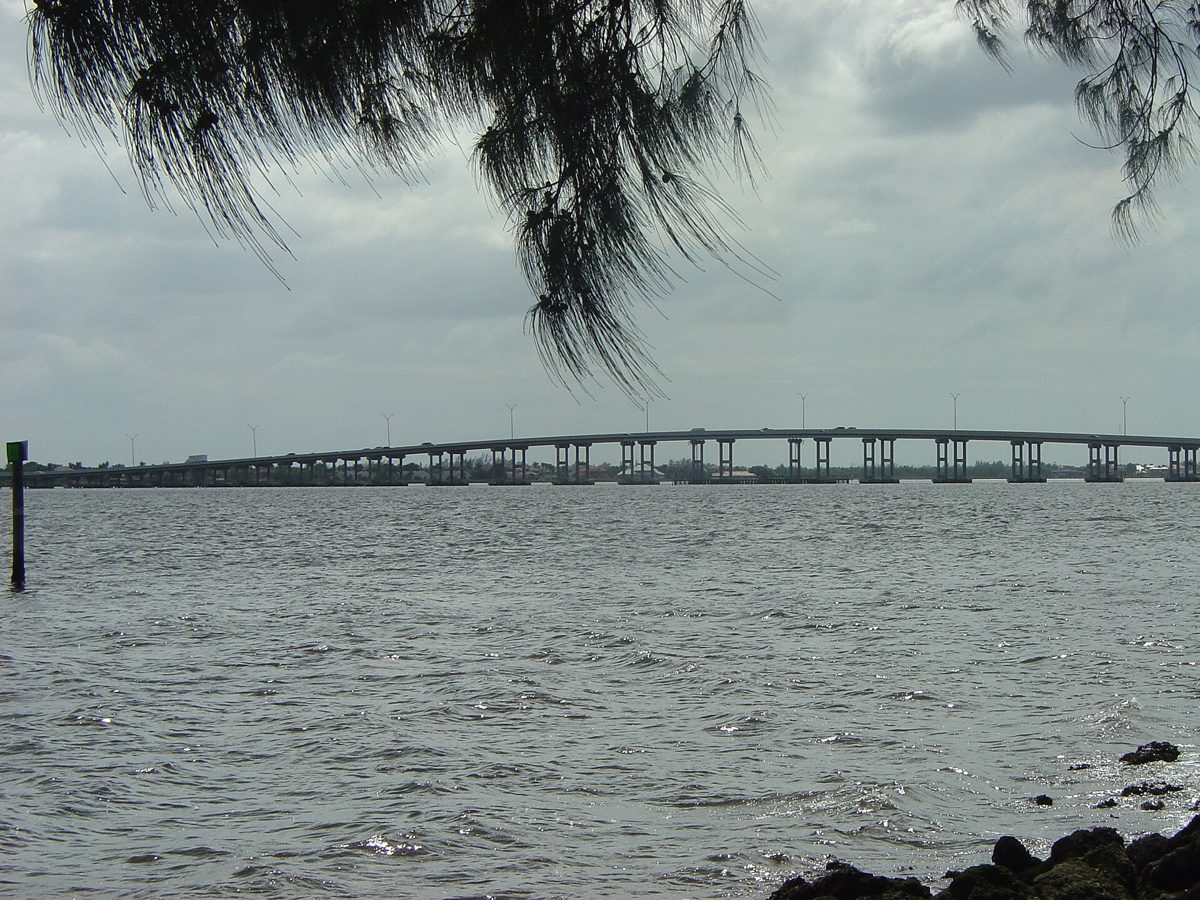
Photo credits: Awake at Night by Alyssa L. Miller, CC BY 2.0, via Flickr. Cape Coral Bridge by Sanibel sun (public domain), via Wikimedia Commons.
This article is educational and is not medical or legal advice. If this is a medical emergency, call 911.