
When Your Teen Is in a Car Crash: Concussion Signs, School and Getting Back Behind the Wheel on the Space Coast
Your teen walked away from the crash and says they are fine. Concussion signs can still show up hours or days later, and they can affect school, sports and driving. What Space Coast parents can watch for and do next.
Who this is for: Written for parents and families in Melbourne, Palm Bay, Titusville, Merritt Island, Viera and across Brevard County whose teen has been in a car crash, as a driver or a passenger.
The call every parent dreads: your teenager has been in a crash. Maybe it happened on Wickham Road on the way to school, on the Eau Gallie Causeway with friends in the car, or in a parking lot after practice. When you get there, they are standing on the curb, embarrassed and insisting they are fine.
Many teens are. But a crash can jolt the head hard enough to cause a concussion even when there is no visible injury, and the signs can be easy to miss in the first day. This article is for Space Coast parents and is educational, not medical advice.
Key takeaways
- Drivers ages 16 to 19 have a higher crash risk than any other age group (CDC).
- In Brevard County, 1,119 drivers ages 15 to 19 were in crashes in 2024, and 328 were injured (FLHSMV).
- Concussion symptoms may not show up for hours or days, and teens may not recognize or admit them.
- Most children can return to school within 1 to 2 days, often with short-term supports (CDC HEADS UP).
Why teen drivers are at higher risk
The CDC reports that drivers ages 16 to 19 have a higher crash risk than any other age group, with a fatal crash rate per mile driven about three times that of drivers 20 and older. Risk is highest in the first months after getting a license, and it goes up when other teens or young adults are in the car.
In Brevard County, FLHSMV counted 1,119 drivers ages 15 to 19 in crashes in 2024, and 328 of them were injured. Statewide that year, 42,204 teen drivers were involved in crashes.
"I’m fine" is what most teens say after a crash. The next few days tell you more.
Signs to watch for in the days after
You do not have to hit your head to get a concussion. The CDC explains that a hit to the body that makes the head move quickly back and forth can cause one. Some symptoms may not appear for hours or days, and teens may not recognize or admit them. Watch for:
- A headache that will not go away or keeps coming back
- Dizziness, balance problems, nausea or blurry vision
- Sensitivity to light or noise
- Feeling foggy, slowed down, or having trouble concentrating or remembering
- Sleeping much more or less than usual
- Being more irritable, anxious, sad or emotional than usual
Parents and siblings often notice changes first. A teen who suddenly cannot follow a show, snaps at everyone or struggles to get up for school may be telling you something. If you notice symptoms, see your child's doctor or the provider treating them after the crash, and mention the crash, even if it seemed minor.
Going back to school
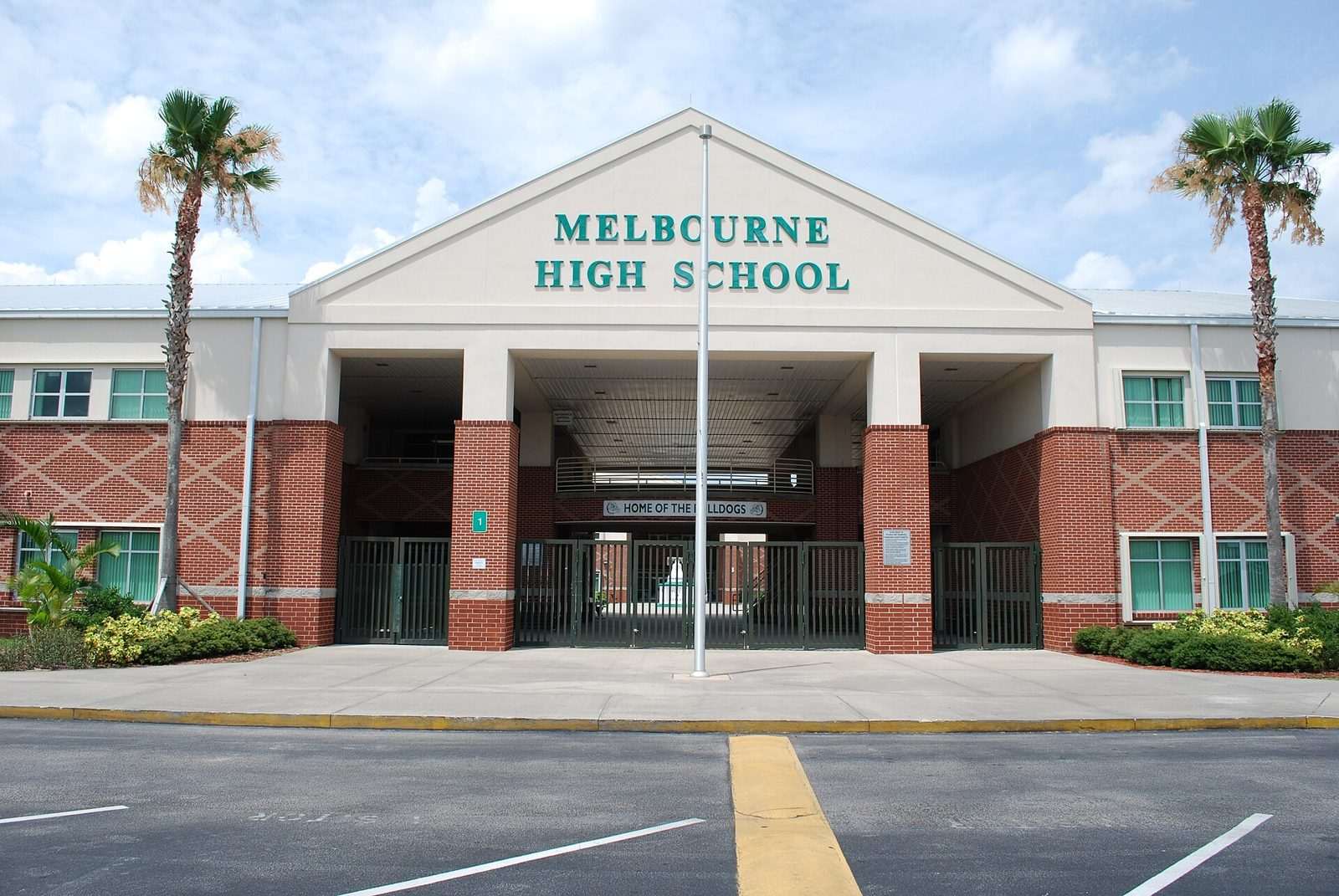
According to the CDC's HEADS UP program, most children can return to school within 1 to 2 days of a concussion, often while still having some symptoms, with short-term support. Ask your teen's provider to fill in the CDC HEADS UP Letter to Schools, which gives the school strategies for setting up that support. Examples the CDC lists include:
- Rest breaks, and time to visit the school nurse for headaches or other symptoms
- Extra time for assignments and tests, or limiting tests to one per day
- Extra time between classes to avoid crowded hallways
- Sunglasses or a less bright seat for light sensitivity, and a quiet place to study or eat lunch if noise is a problem
Ask the provider before your teen returns to sports or other physical activities. Talk with your teen's teachers, counselor or school nurse. The CDC notes that a prior concussion, migraines, learning disabilities or mental health conditions may make recovery take longer, and that public schools may offer supports such as a 504 plan. For younger children, see our guide to a child's concussion after a car accident.
Getting back behind the wheel
For many teens, driving means freedom: getting to a job, practice or the beach. After a concussion, slower reaction time, trouble focusing and sensitivity to glare can make driving riskier, especially on busy roads like I-95, US-1 and the causeways. Ask your teen's provider when it is safe to drive again, and consider starting with short daytime trips with you in the car. Read more about when it is safe to drive after a concussion.
Florida's no-fault law, section 627.736, ties personal injury protection medical benefits to initial care within 14 days after a crash. An insurance agent or lawyer can explain how it applies to your family. Your child's health comes first either way.
Where Braintree fits
If your teen's provider decides concussion testing makes sense, Braintree's mobile team comes to the provider's office in Melbourne, Palm Bay, Titusville, Viera and nearby communities, so your family does not have to travel to a distant clinic. Scheduling is coordinated with the provider. Results are physician-reviewed diagnostic reports that go to a neurologist ahead of a neuro evaluation, and the provider then receives a copy to help plan next steps.
Learn more about what to expect as a patient and concussion and TBI testing, see mobile testing on the Space Coast, or view recent local crashes on the Space Coast Crash Map.
Frequently asked questions
Can my teen have a concussion if they did not hit their head?
Yes. The CDC explains that a hit to the body that makes the head move quickly back and forth can cause a concussion. A sudden stop or an airbag can do that.
How soon after a crash can concussion symptoms appear?
Some symptoms may not appear for hours or days, according to the CDC. Keep watching your teen for headaches, fogginess, mood changes and sleep changes in the days after a crash.
When can my teen go back to school after a concussion?
The CDC's HEADS UP program says most children can return to school within 1 to 2 days, often with short-term supports like rest breaks or extra time for tests. Their provider can complete the HEADS UP letter to schools.
When can my teen drive again after a concussion?
Ask your teen's provider. Concussion can slow reaction time and make it harder to focus, so it is best to get clearance first and start with short daytime trips.
Can Braintree test my teen on the Space Coast?
If your teen's provider decides testing makes sense, Braintree's mobile team tests at the provider's office and returns physician-reviewed diagnostic reports. Scheduling is coordinated with the provider.
Sources
- CDC: Risk factors for teen drivers
- CDC HEADS UP: Returning to school after a concussion
- CDC: Symptoms of mild TBI and concussion (including danger signs)
- CDC: About mild TBI and concussion
- FLHSMV: Florida Traffic Crash Facts Annual Report 2024
- Florida Statutes s. 627.736 (2026): Required personal injury protection benefits
- Florida Department of Health: Florida trauma centers
Photo credits: Eau Gallie Causeway, by Leonard J. DeFrancisci, CC BY-SA 3.0, via Wikimedia Commons. Melbourne High School, by Scapler, CC BY-SA 3.0, via Wikimedia Commons.
This article is educational and is not medical or legal advice. If this is a medical emergency, call 911.