
Service Members, Veterans and Crash Injuries: Concussion Intake Questions for Space Coast Providers
Brevard County is home to Patrick Space Force Base and Cape Canaveral Space Force Station, and the Viera VA Clinic serves veterans across the county. Many service members and veterans arrive after a crash with a history of earlier head injuries and a habit of downplaying symptoms. Intake questions that help.
Who this is for: Written for chiropractors, primary care and urgent care physicians, orthopedists and physical therapists in Melbourne, Viera, Satellite Beach, Cocoa Beach and Titusville who see service members, veterans and defense workers after a crash.
A 44-year-old Air Force veteran who now works as a contractor on the Cape comes to your Viera office for neck pain after being rear-ended on the Pineda Causeway. On the intake form, he checks "no" for head injury. When you ask directly, he mentions two concussions during his service, a headache that has not let up since the crash, and that he has been losing his place in meetings.
The Space Coast sees patients like this every week. Patrick Space Force Base sits between Satellite Beach and Cocoa Beach and is home to Space Launch Delta 45, which also operates Cape Canaveral Space Force Station. The Viera VA Clinic, part of VA Orlando Health Care, serves veterans across the county. This article is educational and is not medical advice.
Key takeaways
- The DoD counts 541,032 TBIs diagnosed among U.S. service members from 2000 through late 2025; 81.8% were mild.
- Military TBIs happen in daily life, sports and training as well as deployment (Military Health System).
- A CT scan is not indicated for most mild TBIs and, if obtained, is normal (DoD).
- Ask about service history, prior concussions and who else is treating the patient.
What military TBI data shows
The Traumatic Brain Injury Center of Excellence counts 541,032 TBIs diagnosed among U.S. service members worldwide from 2000 through the fourth quarter of 2025. Of those, 81.8% were classified as mild. The Air Force accounts for 76,512 of the total.
The Military Health System notes that these injuries happen during everyday activities, sports, training and deployment, not only in combat. It also notes that most service members with a mild TBI return to full duty within 10 to 14 days through a progressive return to activity.
For a treating provider, the point is practical: a crash patient with a military background may already carry one or more earlier concussions, and the new injury lands on top of that history.
A crash injury that lands on top of an earlier concussion is easy to dismiss as nothing new.
Why these patients slip through
- Military culture rewards toughness. Patients often minimize symptoms or describe them as "nothing new."
- Prior injuries blur the baseline. Headaches, sleep trouble or irritability may be blamed on old injuries, on stress, or on shift work at the Cape.
- The chief complaint is musculoskeletal. The patient books for the neck or lower back and never links new fogginess to the crash.
- Care may be split between your office, an urgent care, and the VA or the military health system. No single chart shows the full picture.
Definitions worth knowing
The Department of Defense describes a mild TBI as a confused or disoriented state lasting less than 24 hours, a loss of consciousness of up to 30 minutes, or memory loss lasting less than 24 hours. It notes that a CT scan is not indicated for most patients with a mild TBI and, if obtained, is normal. A normal scan in the emergency department therefore does not settle the question.
The 2021 VA/DoD clinical practice guideline on post-acute mild TBI focuses on patients whose symptoms persist beyond 7 days after injury. It is a useful reference for anyone who treats service members and veterans.
A short intake checklist
When a patient with a military background presents after a crash, a few extra questions take minutes:
- Are you active duty, Guard or Reserve, a veteran, or a civilian working on base? Who else is treating you, such as the VA or a military clinic?
- Have you ever been diagnosed with a concussion or TBI, in service or out? How many, and how long did recovery take?
- Since this crash, is anything different from your usual: headaches, dizziness, sleep, memory, focus, mood, or sensitivity to light or noise?
- Did you feel dazed or confused at the scene, or do you have any gap in memory around the impact?
- Are you driving, flying, working at height or operating equipment? Has anyone cleared you to do so?
A careful history like this also helps avoid duplicated care when a patient is seen in more than one system. For related reading, see concussion screening for older adults after a crash and telling concussion apart from stress after a crash.
Where testing fits
When you decide testing makes sense, Braintree's mobile team performs concussion and TBI testing at your office in Melbourne, Viera, Satellite Beach, Titusville and nearby communities, with scheduling coordinated through your team. Results come back as physician-reviewed diagnostic reports. The report goes to a neurologist ahead of the neuro evaluation, and you then receive a copy to guide advanced imaging and treatment recommendations. Treatment decisions stay with you.
Learn more about concussion and TBI testing, see mobile testing on the Space Coast, send a referral, or check recent local crashes on the Space Coast Crash Map. Patients can read what to expect.
Frequently asked questions
Why ask crash patients about military service?
Service members and veterans may have had earlier concussions in training, sports, daily life or deployment. A new crash injury on top of that history can be easy to dismiss as old symptoms.
How common is mild TBI in the military?
The Traumatic Brain Injury Center of Excellence counts 541,032 TBIs diagnosed among U.S. service members from 2000 through late 2025, and 81.8% were mild.
Does a normal CT scan rule out a concussion?
No. The Department of Defense notes that a CT scan is not indicated for most patients with a mild TBI and, if obtained, is normal.
Where can veterans on the Space Coast get VA care?
The Viera VA Clinic, part of VA Orlando Health Care, offers urgent care, primary care and specialty services, including mental health care and audiology. Ask your patients who else is treating them.
Can Braintree test patients at my Space Coast office?
Yes. When you decide testing makes sense, Braintree's mobile team tests at your office and returns physician-reviewed diagnostic reports. Scheduling is coordinated with your team.
Sources
- Traumatic Brain Injury Center of Excellence (Military Health System): DOD Numbers for Traumatic Brain Injury Worldwide, 2000-2025 Q4
- Military Health System: DOD TBI Worldwide Numbers
- VA/DoD Clinical Practice Guideline: Management and Rehabilitation of Post-Acute Mild Traumatic Brain Injury (2021)
- U.S. Department of Veterans Affairs: Viera VA Clinic, VA Orlando Health Care
- Patrick Space Force Base: Space Launch Delta 45
- CDC: Symptoms of mild TBI and concussion (including danger signs)
- Florida Department of Health: Florida trauma centers
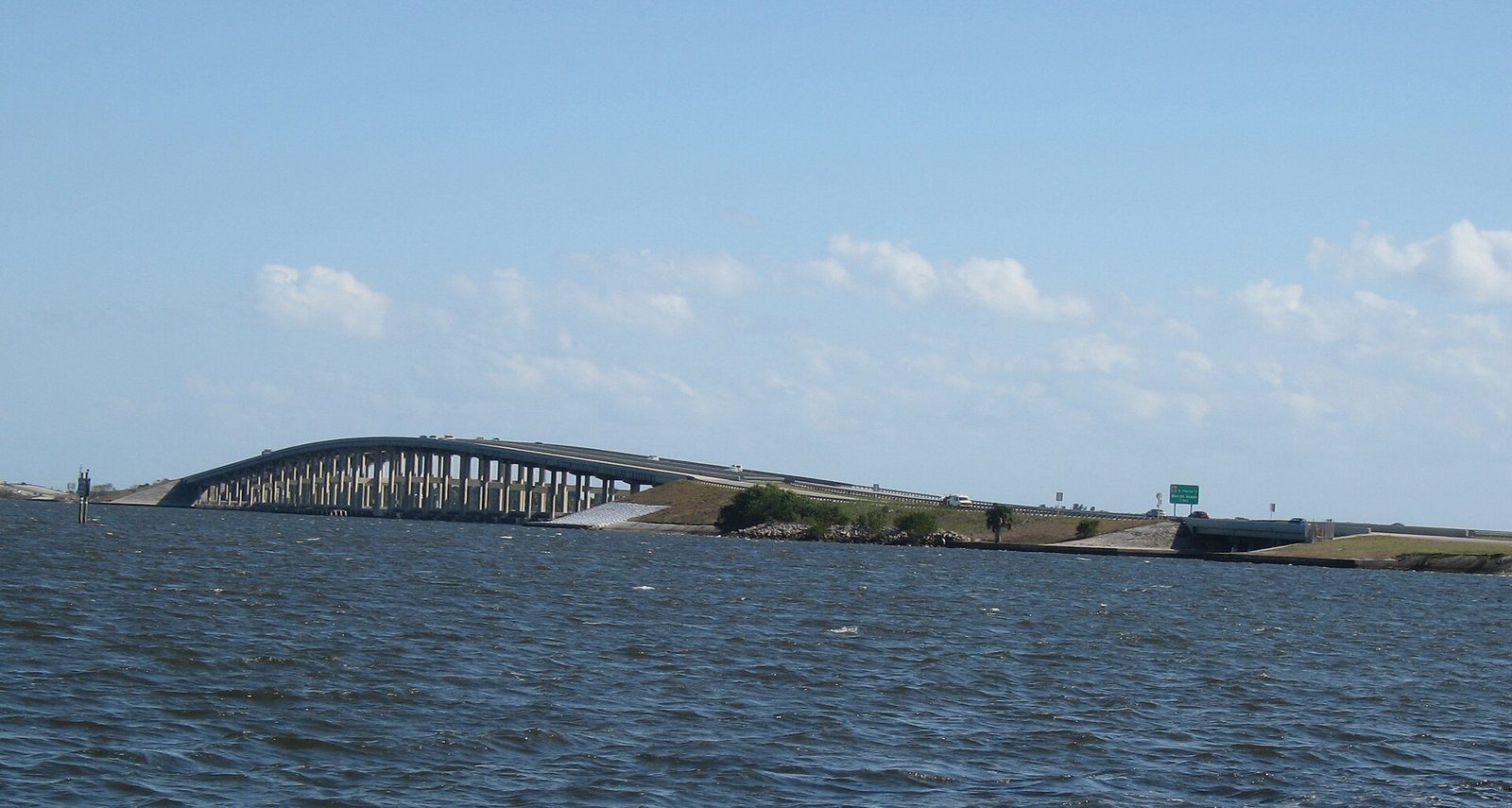
Photo credits: I-95 southbound at Exit 188, Pineda Causeway, by formulanone, CC BY-SA 2.0, via Wikimedia Commons. Pineda Causeway, by Leonard J. DeFrancisci, CC BY-SA 3.0, via Wikimedia Commons.
This article is educational and is not medical or legal advice. If this is a medical emergency, call 911.