
The Holidays After a Crash: A Gentle Concussion Guide for Pinellas Families
The holidays bring noise, travel, late nights and full tables. For someone still healing from a concussion after a Pinellas crash, a few small changes can make the season easier on everyone.
Who this is for: Written for people in St. Petersburg, Clearwater and across Pinellas County who are recovering from a crash this fall, and for the family members hosting, driving and celebrating alongside them.
Maybe your husband was rear-ended on US-19 in October. Maybe your daughter's car was hit on the Gandy Bridge on the way home from work. The bruises are fading, but loud rooms still wear them out, and now the holidays are coming. These are hypothetical examples, and every recovery is different.
This guide is for the person healing and for the family around them. It does not replace being checked: if someone hurt in a crash has not seen a medical provider, start there. The CDC says people with a possible concussion need to be seen by a healthcare provider.
Key takeaways
- Most people with a concussion feel better within a couple of weeks, but some take longer, so go easy on the holiday schedule.
- Shorter visits, a quiet room and lower noise can help someone who is still healing.
- MedlinePlus advises no alcohol until fully recovered, and asking the provider before driving.
- Call the provider if symptoms are not improving after 2 to 3 weeks, and call 911 for any danger sign.
What recovery usually looks like
The CDC says most people with a concussion feel better within a couple of weeks, while some have symptoms for months or longer. Symptoms can change along the way. A week or two after the injury, some people notice they feel more emotional or have trouble sleeping. After a day or two of rest, the CDC encourages easing back into regular activities, and cutting back if symptoms get worse.
Plan gatherings with the brain in mind
- Shorter visits are fine. Arrive late, leave early or step out for a break.
- Set aside a quiet room with low light where your loved one can rest without explaining.
- Turn the music down and keep the television off in at least one room.
- Let family know ahead of time. MedlinePlus suggests telling family and friends that someone recovering may be more tired, easily upset or less tolerant of noise.
- Skip the backyard football game. MedlinePlus advises avoiding activities that raise the risk of another head injury while symptoms last.
The best gift this year might be a quiet room, a ride home and a little patience.
Alcohol, late nights and screens
MedlinePlus advises not drinking alcohol or using drugs until fully recovered, because they may slow recovery and raise the chance of another injury. A festive mocktail is a kind thing to have on hand. The CDC also suggests a fixed bedtime and wake-up time, a dark room for sleep, and limiting screens and loud music before bed. Late-night movie marathons can wait until next year.
Holiday driving and travel
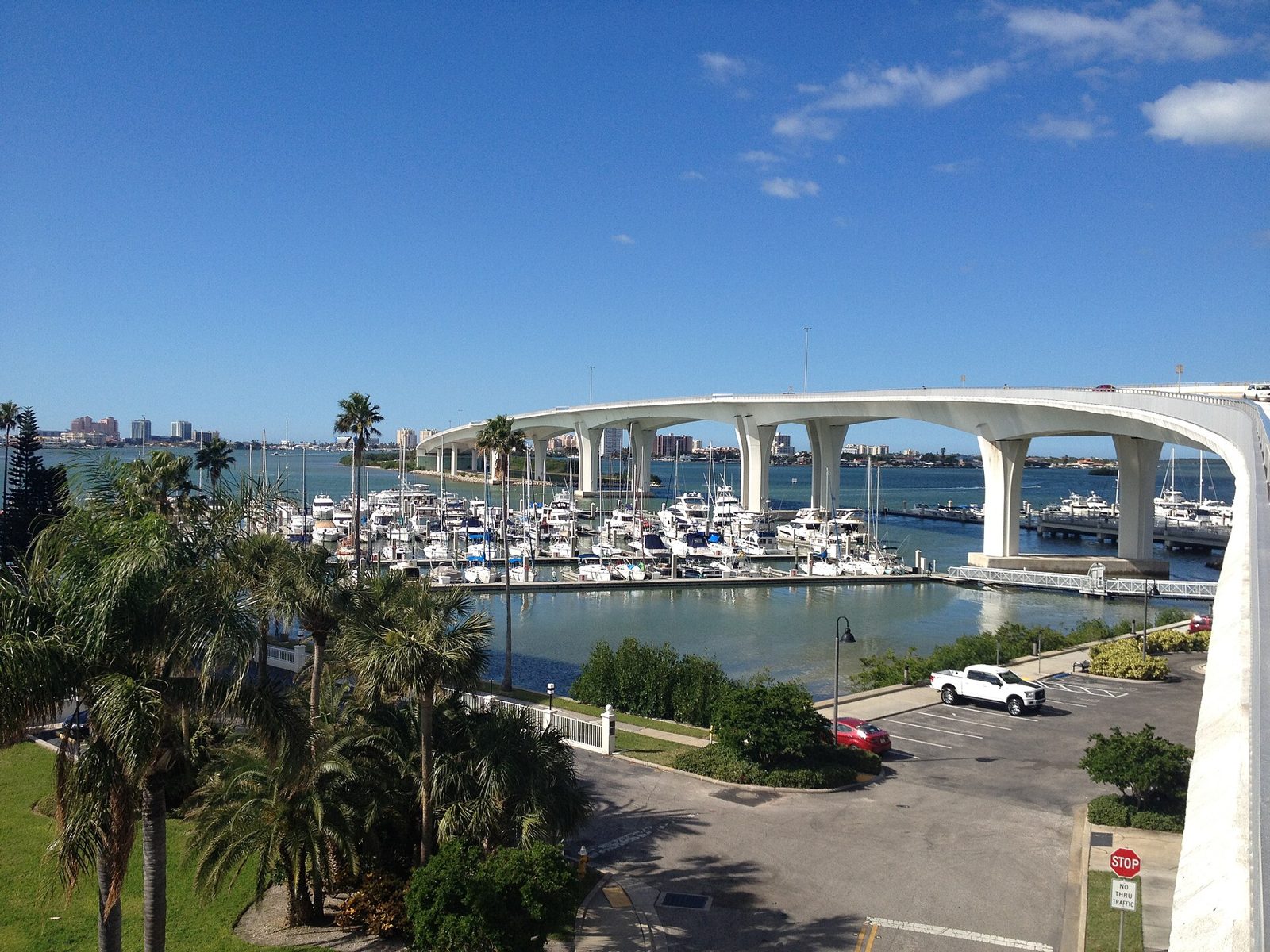
Many Pinellas families cross the Howard Frankland, the Gandy or the Courtney Campbell to see relatives in Tampa, and holiday traffic on I-275 and US-19 can be heavy. MedlinePlus advises asking the provider when it is safe to drive again, and the CDC suggests asking for written instructions about returning to activities like driving. Until then, let someone else take the wheel. If long trips are planned, ask the provider about them too.
Stay connected
The CDC notes that support from family and friends can help with recovery. Ask how your loved one is feeling, and listen. A short daily note of symptoms, sleep and activity can help everyone see progress and gives the provider something concrete at the next visit. For more ideas, read about driving after a concussion, sleep problems after a concussion and mood changes after a concussion.
When to call the provider, and when to call 911
The CDC and MedlinePlus both advise talking with the provider if symptoms are not going away or improving after 2 to 3 weeks, or if they get worse as activities resume. Call 911 or go to an emergency room right away for any danger sign: a headache that gets worse and does not go away, repeated vomiting, weakness or numbness, slurred speech, a seizure, growing confusion, one pupil larger than the other, or being very hard to wake. Orlando Health Bayfront Hospital in St. Petersburg is Pinellas County's only state-accredited Level II adult trauma center, and Johns Hopkins All Children's Hospital is listed by the state as a pediatric trauma center.
Getting checked close to home
If your loved one's provider decides concussion testing makes sense, Braintree's mobile team can perform it at that provider's office in St. Petersburg, Clearwater, Largo, Seminole, Palm Harbor and nearby communities. The provider receives physician-reviewed diagnostic reports and stays in charge of care.
Learn more about concussion and TBI testing, see mobile testing in St. Petersburg and Clearwater, check recent local crashes on the St. Petersburg & Clearwater Crash Map, or read what to expect as a patient.
Frequently asked questions
Is it okay to go to a holiday gathering after a concussion?
It depends on how the person is feeling, and the treating provider can help decide. The CDC encourages easing back into regular activities after a day or two of rest and cutting back if symptoms get worse. Shorter visits, a quiet room and lower noise can help. Ask the treating provider if you are unsure.
Can I have a drink at a holiday party while recovering from a concussion?
MedlinePlus advises not drinking alcohol or using drugs until you have fully recovered, because they may slow recovery and increase the chance of another injury.
When can I drive to see family after a concussion?
Ask your provider. MedlinePlus advises that your provider should tell you when you can drive again, and the CDC suggests asking for written instructions about returning to activities like driving.
How long does it take to recover from a concussion?
The CDC says most people feel better within a couple of weeks, though some have symptoms for months or longer. Talk with the provider if symptoms are not improving after 2 to 3 weeks or get worse as activities resume.
Can my family member be tested for a concussion in Pinellas County?
If their treating provider decides testing makes sense, Braintree's mobile team can perform it at that provider's office in Pinellas County. The provider receives physician-reviewed diagnostic reports and stays in charge of care.
Sources
- CDC: About mild TBI and concussion
- CDC: Symptoms of mild TBI and concussion (including danger signs)
- CDC: What to do after a mild TBI or concussion
- MedlinePlus (U.S. National Library of Medicine): Concussion in adults, discharge
- Orlando Health Bayfront Hospital: Emergency services and trauma care
- Florida Department of Health: Florida trauma centers
Photo credits: Courtney Campbell Causeway at sunset, by Gregory Urbano, CC BY 2.0, via Wikimedia Commons, resized. Clearwater Memorial Causeway, by Andrew Heneen, CC BY 4.0, via Wikimedia Commons, resized.
This article is educational and is not medical or legal advice. If this is a medical emergency, call 911.